Build a system in minutes! Beginner friendly and reliable.
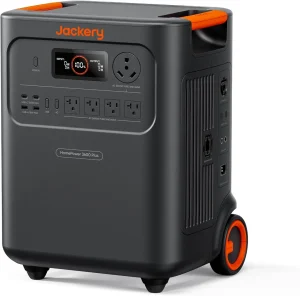
Jackery HomePower
This is the only Jackery that I like. The output for the size and price is fantastic.
System Packages
Will Prowse's Systems
Don't Want to Piece it Together?
These are complete, wire-by-wire builds I’ve assembled and tested myself. Every fuse, lug and breaker is specified, so nothing shows up missing on install day.
A reliable backup power system keeps your essential devices running when the grid goes down. From portable power stations to full home battery systems, the right setup provides enough capacity, stable output, and automatic switching to keep your home powered and prepared during any outage.
The complete system
What Every Backup Power System Needs
Solar Panels
Stores energy for use when utility power is unavailable.
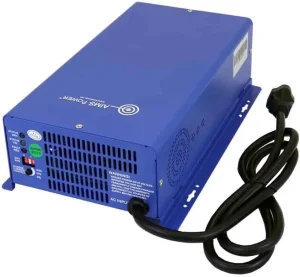
Inverter/Charger
Converts battery energy into clean AC power and recharges the battery from the grid.
Automatic Transfer Switch
Safely transfers supported circuits from utility power to backup power.
Critical Loads Panel
Keeps selected essential circuits powered during an outage.
Grid Charging
Maintains the battery at a ready state while utility power is available.
Solar Charging
Extends backup runtime by generating additional energy during daylight.
Generator Integration
Provides another charging source during long outages or poor solar conditions.
Monitoring & Protection
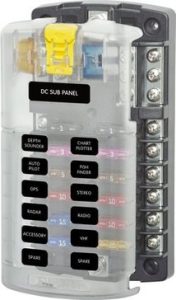
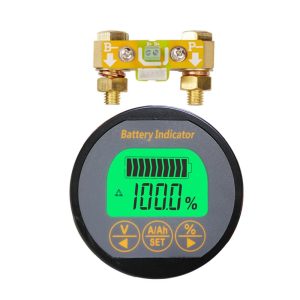
Tracks system status and protects equipment through disconnects, breakers, and controls.
Will’s tested picks
Recommended Backup Power Components
Tested products for keeping essential devices, critical circuits, or your entire home powered during an outage.
Best Value
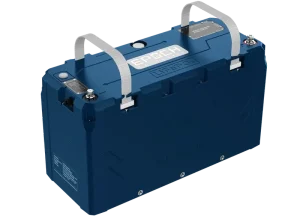
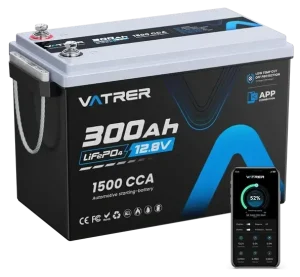
12V UL Certified
Certified to UL1973. Consistent quality, audited over time.
See my picks →
Permit-legal
48V UL Certified
Required if you are permitting your system or tying to the grid.
See my picks →
Most Popular
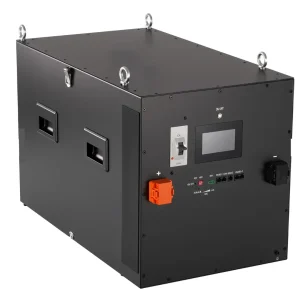
48V Off-Grid
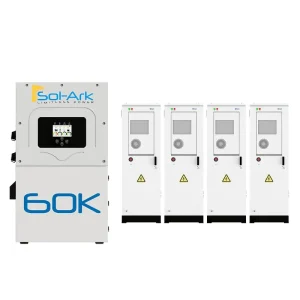
Run a whole house off-grid. 6,000–12,000W.
See my picks →
48V Hybrid
Grid-tied plus battery backup. Certified for interconnection.
See my picks →
Will's Own Build
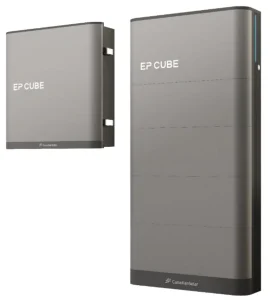
High-Voltage Residential
Highest efficiency. This is what I run in my own home.
See my picks →
Standard Panels
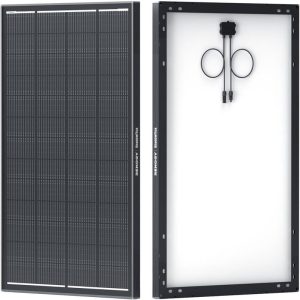
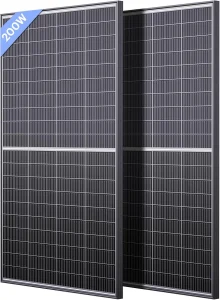
Best cost per watt for homes, ground mounts and carports.
See my picks →
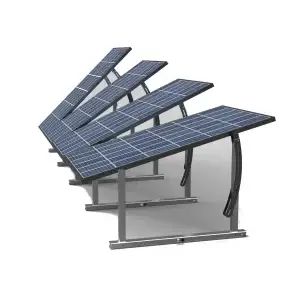
Ground Mount
Fast to assemble, engineered and legal for permitted installs.
See my picks →
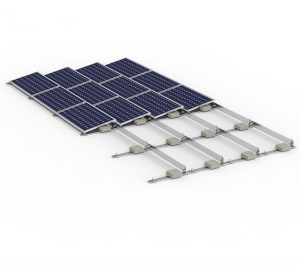
Roof Mounted
Low-profile systems engineered for secure, long-lasting roof installations.
See my picks →
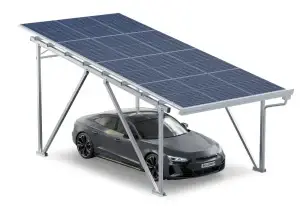
Solar Carports
Dual-purpose structures that provide shade while generating clean energy.
See my picks →
Beginner Pick
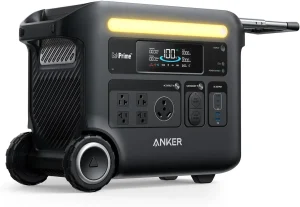
Anker Solar Generators
Build a system in minutes! Beginner friendly and reliable.
See my picks →
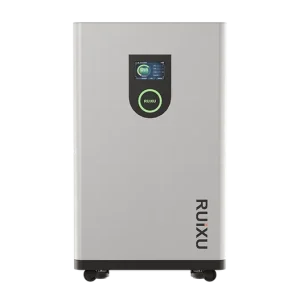
Jackery HomePower
This is the only Jackery that I like. The output for the size and price is fantastic.
See my picks →
Complete the installation
Don’t Forget the Small Parts
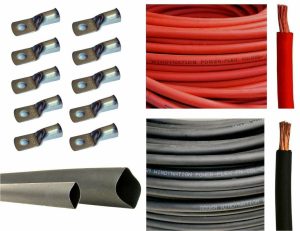
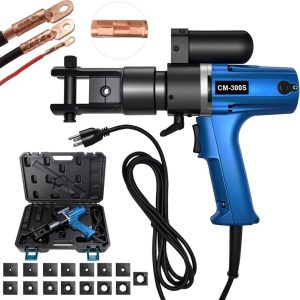
Complete your backup system with the wiring, protection, monitoring, and installation equipment required for safe and dependable operation.
The devices you need to power, their peak demand, expected outage duration, and available charging sources determine the right system size and configuration.
Portable Backup
Keep phones, laptops, lights, internet equipment, and selected appliances running.
Essential Backup
Automatically power refrigeration, lighting, communications, selected outlets, and other critical circuits.
Whole-Home Backup
Support most household circuits with enough battery capacity and inverter output for larger loads.
Protect what matters
What Can Your System Keep Running?
A properly sized backup system can support anything from basic electronics to most household circuits. Battery capacity determines runtime, while inverter output determines which devices can operate at the same time.
Everyday Essentials
Keep lights, outlets, internet, security, phones, and computers online.
Refrigeration & Food Storage
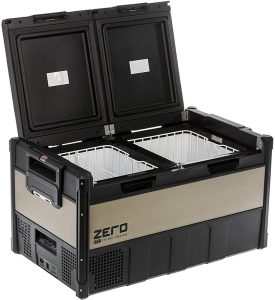
Maintain refrigerators and freezers throughout an outage.
Water & Medical Equipment
Support well pumps, sump pumps, selected medical devices, and other critical equipment.
Heating & Cooling
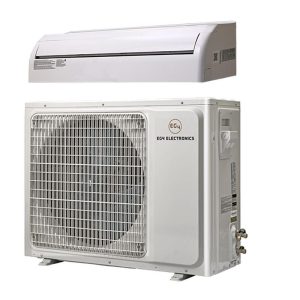
Run selected HVAC equipment with a system designed for its continuous and startup power requirements.
Motors, pumps, air conditioners, and heating equipment can require significant startup power. Account for both energy use and peak demand when sizing the system.
Choose your backup source
Battery, Solar, or Generator?
Understanding how each backup power option works helps you choose the right level of reliability, runtime, and independence for your home.
The most resilient systems combine battery storage with at least one reliable charging source.
Battery Backup
Provides quiet, automatic power without fuel, fumes, or manual startup.
Solar + Storage
Uses sunlight to recharge the batteries and extend runtime during longer outages.
Battery + Generator
Combines automatic battery backup with generator charging when additional runtime is required.