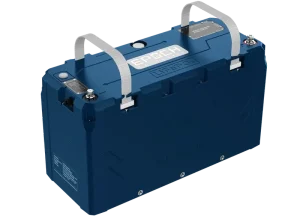
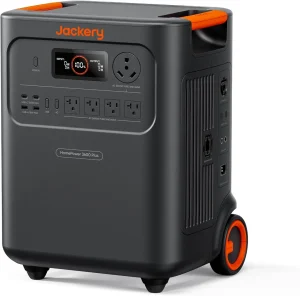
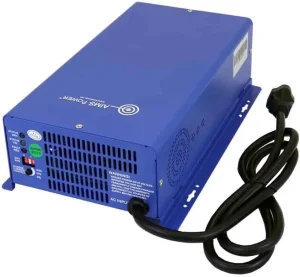
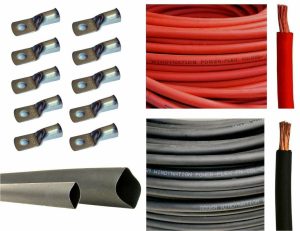
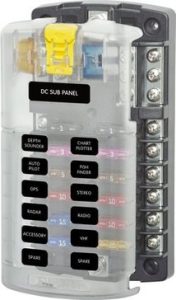
Hand-Truck 48V System
Hand-Truck 48V System ~$2,400
Off-Grid Home Blueprint
Full 48V house system ~$9,800
Code-Compliant 48V System
Permit & inspection ready ~$13,500
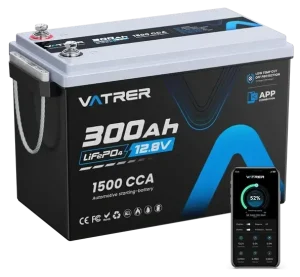
Mobile, 12V, tight on space and weight
Marine-rated, waterproof, heated cells
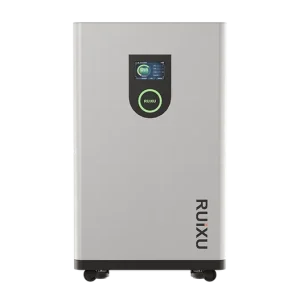
Small off-grid build, 12V or 48V
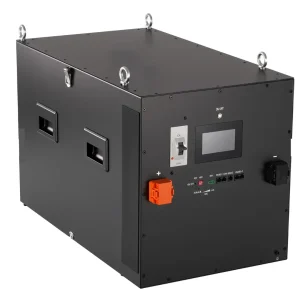
Off-grid or grid-tied with backup
Great for Mobile Solar Systems!
Affiliate links below
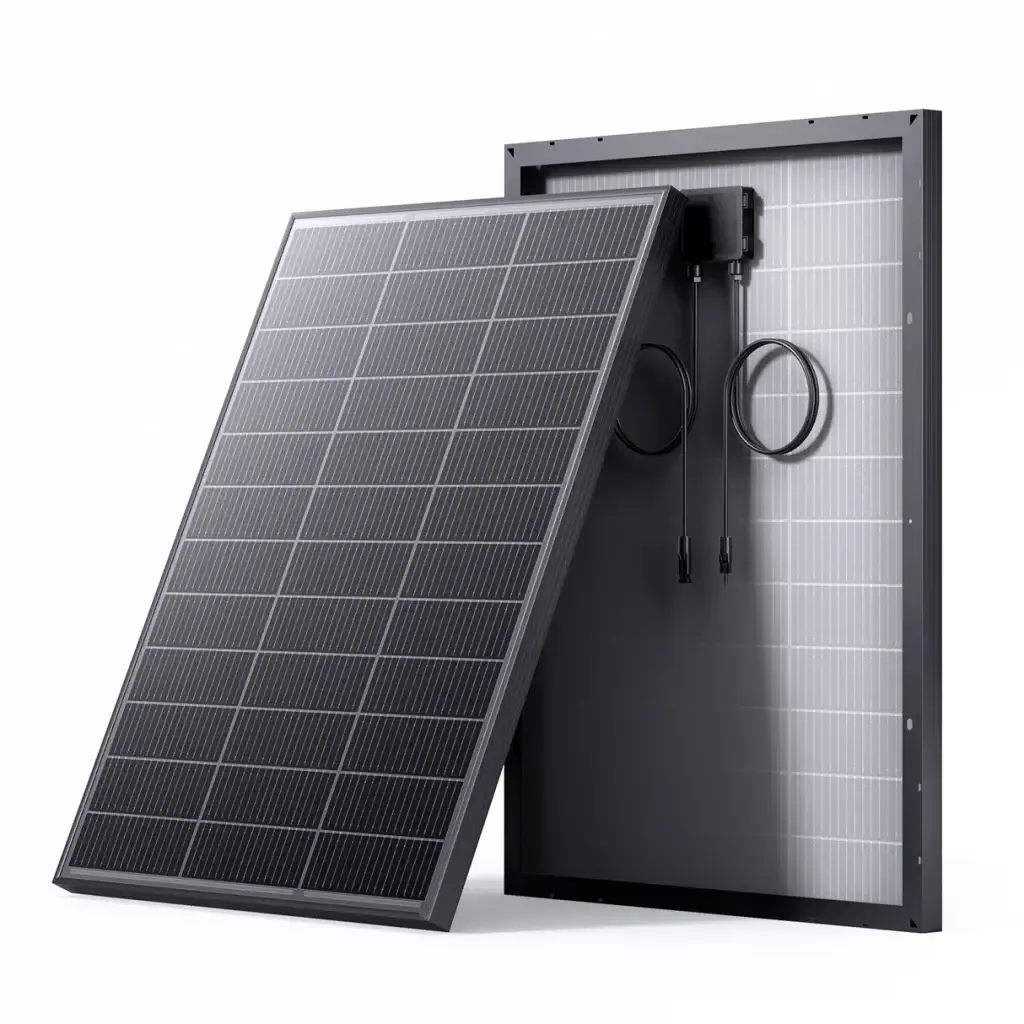
I tested a stack of N-type bifacial solar panels and the best bang for your buck was the callsun. I was pulling the same numbers as the most expensive renogy panel! Most N-type solar panels have a low quality back sheet and rails. Not the callsun. I ordered it randonly for another video and I could not believe how well they worked. And they are nearly the same price as a traditional panel
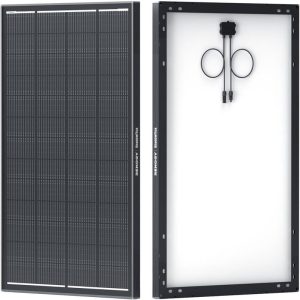
Compact 100W panel for small mobile and off-grid setups.
Flexible 200W total setup for RVs, vans, and small systems.
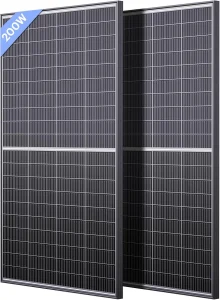
400W total output for higher-demand mobile power setups.
If you have more money to spend and want the same performance as the callsun, check out the renogy shadowflux. It handles shading better than the callsun, but it comes at a price. I tell most people not to invest in “shade tolerant tech” and focus on mounting more panels in a better direction with the sun. If you have limited roofspace and you are constantly dealing with shading from large objects or leaves, the shadowflux might be worth it:
Compact high-efficiency panels built for limited roof space.
Higher-output panels for RVs and demanding off-grid builds.
And thats it! Most of the other panels were not performing as well or had cheap rails/backsheets/junction boxes. The panels above are my favorites out of stacks of solar panels that I tested. Stick to the ones above and you will be set.
Reliable used solar panels at the lowest possible price.
Santan Solar sells used but inspected solar panels from Arizona. Every panel they sell is a high-quality name brand solar panel, and after selling 1000’s of solar panels they have only had a handful of returns.
These are a fraction of the cost of the solar panels I recommend above, and will work for a long time.
What people don’t realize about solar panels, is that they last for decades, if not centuries. Most panels are rated for 25 years to 80% output, which is an extremely conservative goal. Most panels can produce well over 90% of their rated output after 30 years. They can also handle years of non-stop rain/hail/snow/wind without issue.
For me personally, I go for the cheapest panels possible, because cost is not really a determinant factor of performance (such as the cheap solar panels I recommend above). After my real world testing of stacks of solar panels, many cheap panels can produce the same or more power than the more expensive ones, and they have the same safety ratings, and warranties.
The problem with santan solar is that the shipping cost is pretty steep. So be sure to use this option if you plan to build a large array only.

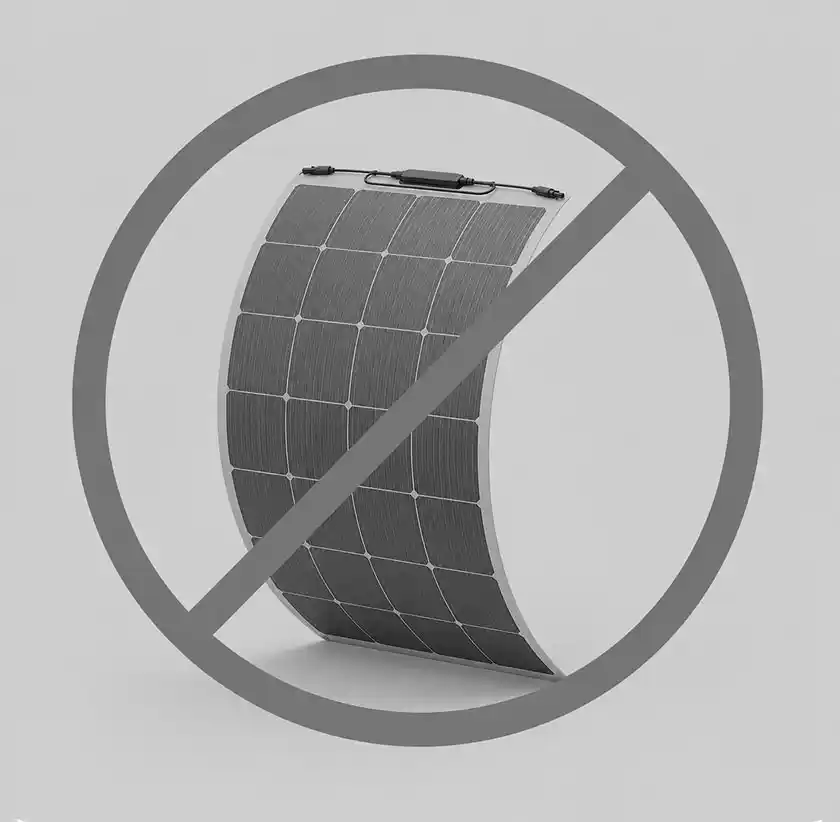
Every single flex panel on the market is garbage. I challenge anyone to prove me wrong on this. I have destroyed stacks of these things. The cells crack easily and take out a whole string of cells when the bus bars break. Or they have extreme degradation after a few months of summer. Even the latest “CIGS” panels that I was so excited about, are having delamination problems.
Do yourself a favor, and avoid the flex panels. None of them are good.