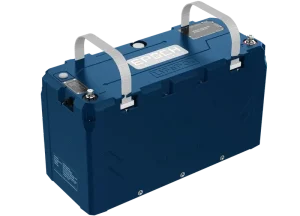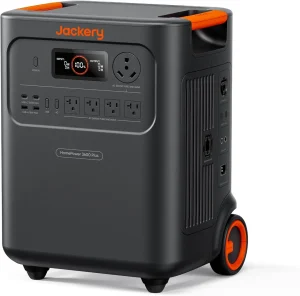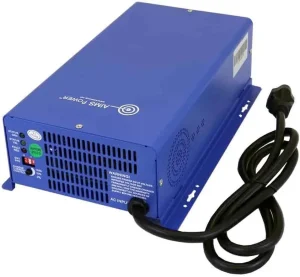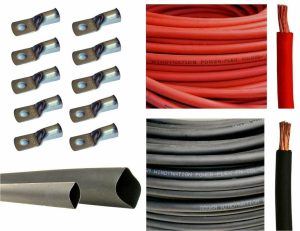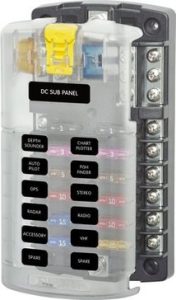
Hand-Truck 48V System
Portable 5 kWh, builds in 25 minutes ~$1,900
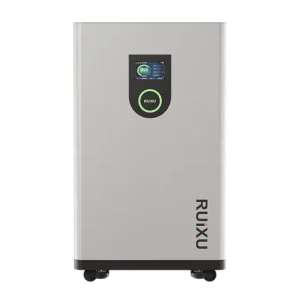
Budget Whole-Home Backup
12 kW inverter, 32 kWh battery from ~$4,750
Off-Grid Home Blueprint
Whole-house off-grid, 5–12 kW ~$9,800
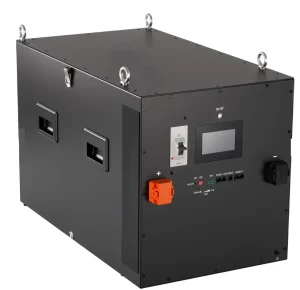
Code-Compliant 48V System
Grid-tie hybrid, permit & inspection ready ~$13,500
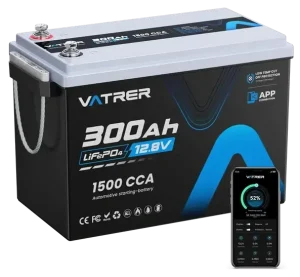
Mobile, 12V, tight on space and weight
Marine-rated, waterproof, heated cells
Small off-grid build, 12V or 48V
Off-grid or grid-tied with backup
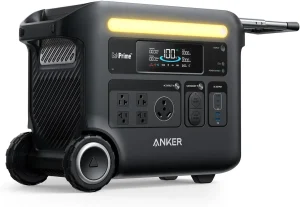
Anker makes the solar generators I like most. I do not trust any brand by default: I test the gear first, and whatever works best is what I use. In my testing, Anker’s materials, build quality and software came out ahead of most of the competition, and their gallium nitride (GaN) transistors make them efficient and quiet. I use them to power the lights in my video studio because they are quiet enough to sit next to the camera.
Start with my three picks below. Then use the chart to match a model to what you want to power, check how long each one runs, and see how to connect one to your house.
Jump to: My picks · Which one you need · Prices and specs · Connecting to your house · Questions
Affiliate links below
Find what you want to power, then buy the model next to it.
| What you want to power | Get this | Why | Price | |
|---|---|---|---|---|
| Camping, a home office or a CPAP | C1000 Gen 2 | 1,024Wh and 2,000W in a box you can carry | $530 | Check Price |
| A fridge, lights and internet through a short outage | S2000 | 2,010Wh at the lowest price per kWh here | $700 | Check Price |
| Power tools in a van or workshop | C2000 Gen 2 | 2,400W output and 800W of solar, expands to 4,096Wh | $1,499 | Check Price |
| An RV or cabin running on 120V | F3000 | 3,600W at 120V and 2,400W of solar, expands to 24kWh | $1,700 | Check Price |
| 240V loads like a well pump, on wheels | S5000 | 4,500W at 240V, 5,024Wh and 3,000W of solar | $2,949 | Check Price |
| A critical loads panel wired into your house | F3800 Plus with Home Power Panel | 6,000W at 240V, and the kit includes the panel your electrician installs | $3,200 | Check Price |
| The whole house, central A/C included | E10 | 7,680W at 240V and 9,000W of solar, installed by an electrician | $3,999 plus install | Check Price |
Hours at a steady load. Runtime = battery Wh × 0.85 ÷ load W. The 0.85 allows for inverter losses. Your results depend on the load and the temperature, and solar during the day adds hours.
| Model | 200W | 500W | 1,000W | 3,000W |
|---|---|---|---|---|
| C1000 Gen 2 | 4.4 h | 1.7 h | 0.9 h | Over its output |
| S2000 | 8.5 h | 3.4 h | 1.7 h | Over its output |
| C2000 Gen 2 | 8.7 h | 3.5 h | 1.7 h | Over its output |
| F3000 | 13.1 h | 5.2 h | 2.6 h | 0.9 h |
| F3800 Plus | 16.3 h | 6.5 h | 3.3 h | 1.1 h |
| S5000 | 21.4 h | 8.5 h | 4.3 h | 1.4 h |
| E10 (one battery) | 26.1 h | 10.4 h | 5.2 h | 1.7 h |
200W covers LED lights, a router and phone chargers. A full-size fridge cycles on and off, so it averages less than the watts it draws while running.
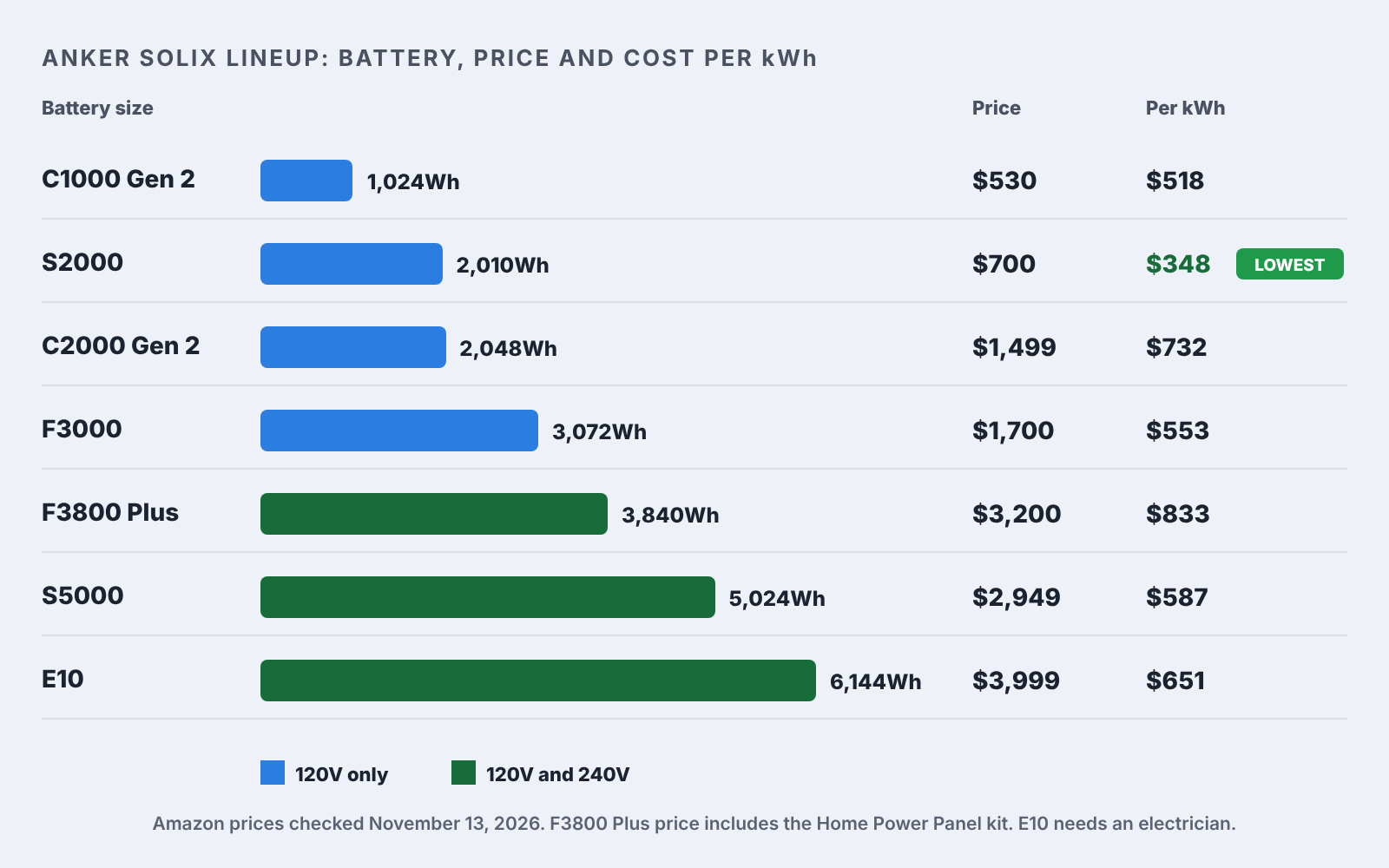
Sorted from smallest to largest. Click a model name to read my notes on it. Amazon prices checked November 13, 2026.
| Model | Price | Per kWh | Battery | AC Output | Solar Input | Best For | |
|---|---|---|---|---|---|---|---|
| Portable | |||||||
| Anker SOLIX C1000 Gen 2 | $530 | $518 | 1,024Wh | 2,000W, 120V | 600W | Camping, home office, short outages | Check Price |
| Anker SOLIX S2000 | $700 | $348LOWEST | 2,010Wh | 1,500W, 120V | 400W | A fridge and essentials from a 35.7 lb box | Check Price |
| Anker SOLIX C2000 Gen 2 | $1,499 | $732 | 2,048Wh (expands to 4,096Wh) | 2,400W, 120V | 800W | Vans, workshops, longer outages | Check Price |
| Wheeled home backup | |||||||
| Anker SOLIX F3000 | $1,700 | $553 | 3,072Wh (expands to 24kWh) | 3,600W, 120V | 2,400W | RVs, cabins and 120V home backup | Check Price |
| Anker SOLIX F3800 Plus | $3,200 with Home Power Panel | $833 | 3,840Wh (expands to 26.9kWh) | 6,000W, 120/240V | 3,200W | 240V critical loads panel | Check Price |
| Anker SOLIX S5000 | $2,949 | $587 | 5,024Wh (expands to about 30kWh) | 4,500W, 120/240V | 3,000W | 240V home backup with more solar | Check Price |
| Installed whole-home system | |||||||
| Anker SOLIX E10 | $3,999 plus install | $651 | 6,144Wh to 90kWh | 7,680W, 120/240V | 9,000W per unit | Installed whole-home backup | Check Price |
The F2600 is sold out. See its section below for what to buy instead.
These are the ones you can pick up and carry. They cover camping, a home office, or keeping a fridge running through a short outage. The bigger wheeled units start further down the page.
1,024Wh and 2,000W in a box you can carry, with 600W of solar input. For camping, a home office and short outages. About $530.
2,010Wh and 1,500W in a 35.7 lb box, the smallest 2kWh unit Anker sells. Anker rates it for about 35 hours of fridge backup. The lowest price per kWh on this page, about $700.
2,048Wh and 2,400W with 800W of solar input, expandable to 4,096Wh. For vans, workshops and longer outages. About $1,499.
The F3000 replaces the F2600 and sits below the F3800 Plus. You get 3,072Wh of LiFePO4 and a 3,600W inverter, plus 2,400W of solar input across two PV ports (1,600W on the high-voltage port, 800W on the low-voltage port). That is more than double the solar the F2600 took.
One F3000 is 120V only, so it will not run a 240V well pump or dryer. Two F3000s with Anker’s Double Voltage Hub give you 240V, or skip to the S5000. Expansion batteries take it to 24kWh. Buy the unit alone for about $1,700, or the kit with a 400W bifacial panel for about $2,300.
3kWh and 3,600W at 120V for RVs, cabins and home backup. About $1,700 alone, or $2,300 with a 400W bifacial panel.
The F3800 Plus replaces the original F3800. It is big: 3,840Wh, 6,000W at 120V or 240V, and 136.7 lb on wheels. Solar input went up from 2,400W on the F3800 to 3,200W, across two 1,600W ports. That fixes the biggest complaint I had about the original, though most stand-alone inverters still take 5,000W to 12,000W of solar, so I would not use it as a whole off-grid system.
The Amazon listing is a kit with Anker’s Home Power Panel. A licensed electrician installs the panel, and it runs the critical circuits you pick from the F3800 Plus. Add up to six expansion batteries for 26.9kWh. The L14-30 outlet puts out 6,000W at 240V, and you can charge an EV or RV from it.
6,000W at 240V with the Home Power Panel kit for your critical circuits. About $3,200 for the kit; the electrician is extra.
The S5000 fixed the biggest problem I had with the original F3800: solar input. It takes up to 3,000W across two PV inputs (1,000W and 2,000W). The inverter puts out 4,500W continuous at 120V or 240V and surges to 8,000W.
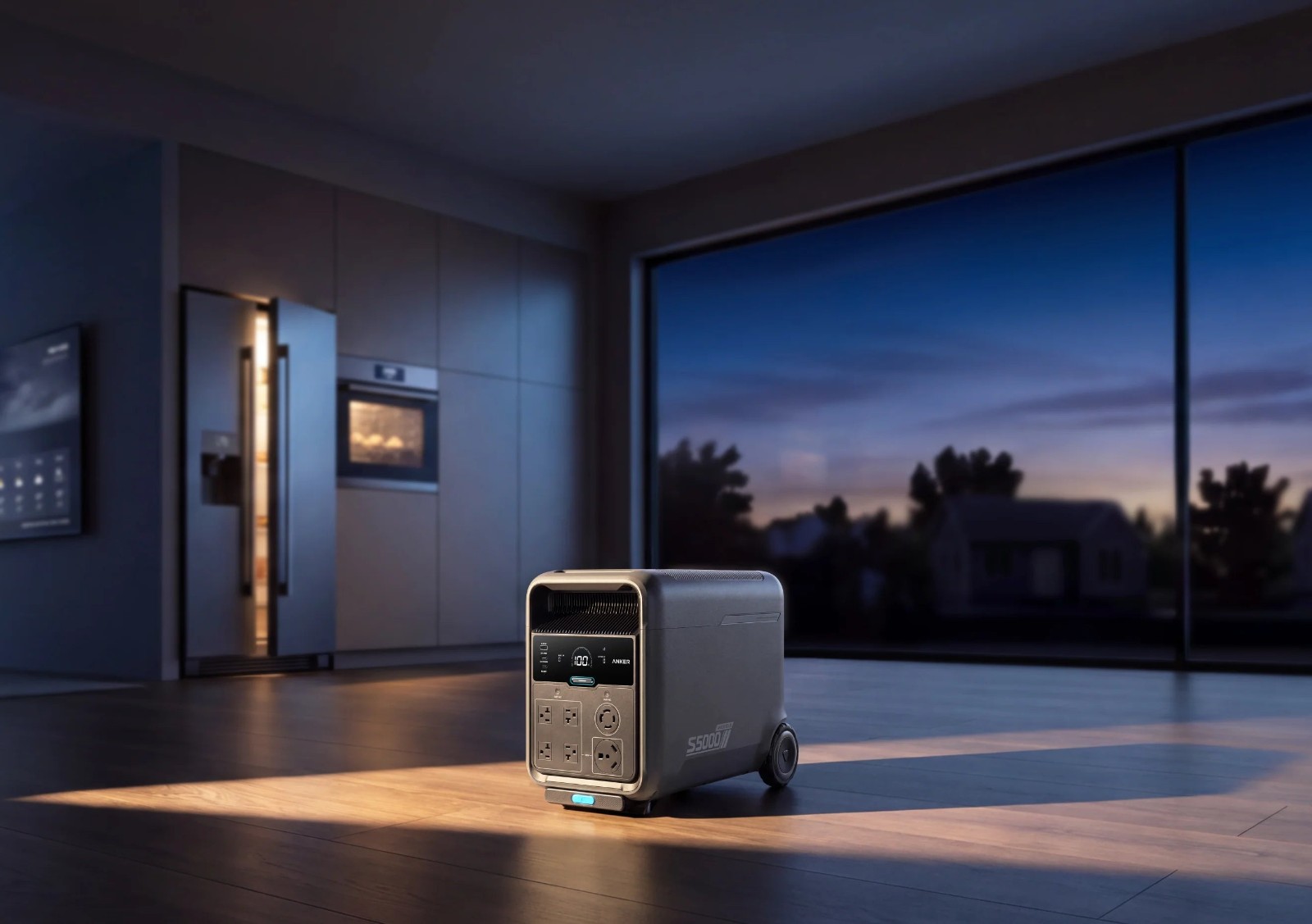
You get 5,024Wh in one 97 lb unit on wheels, and it expands to about 30kWh with up to five expansion batteries. Anker rates the cells for 6,000 cycles to 80% capacity. Next to the F3800 Plus kit, the S5000 costs about $250 less and holds 1,184Wh more, but it does not include a panel. For home backup, have an electrician install an inlet and a transfer switch (see below). For a hardwired whole-house system, look at the E10.
5kWh and 240V in a 97 lb rolling unit, with 3,000W of solar input. Expands to about 30kWh. About $2,949.
There are three ways, from no tools to a full install.
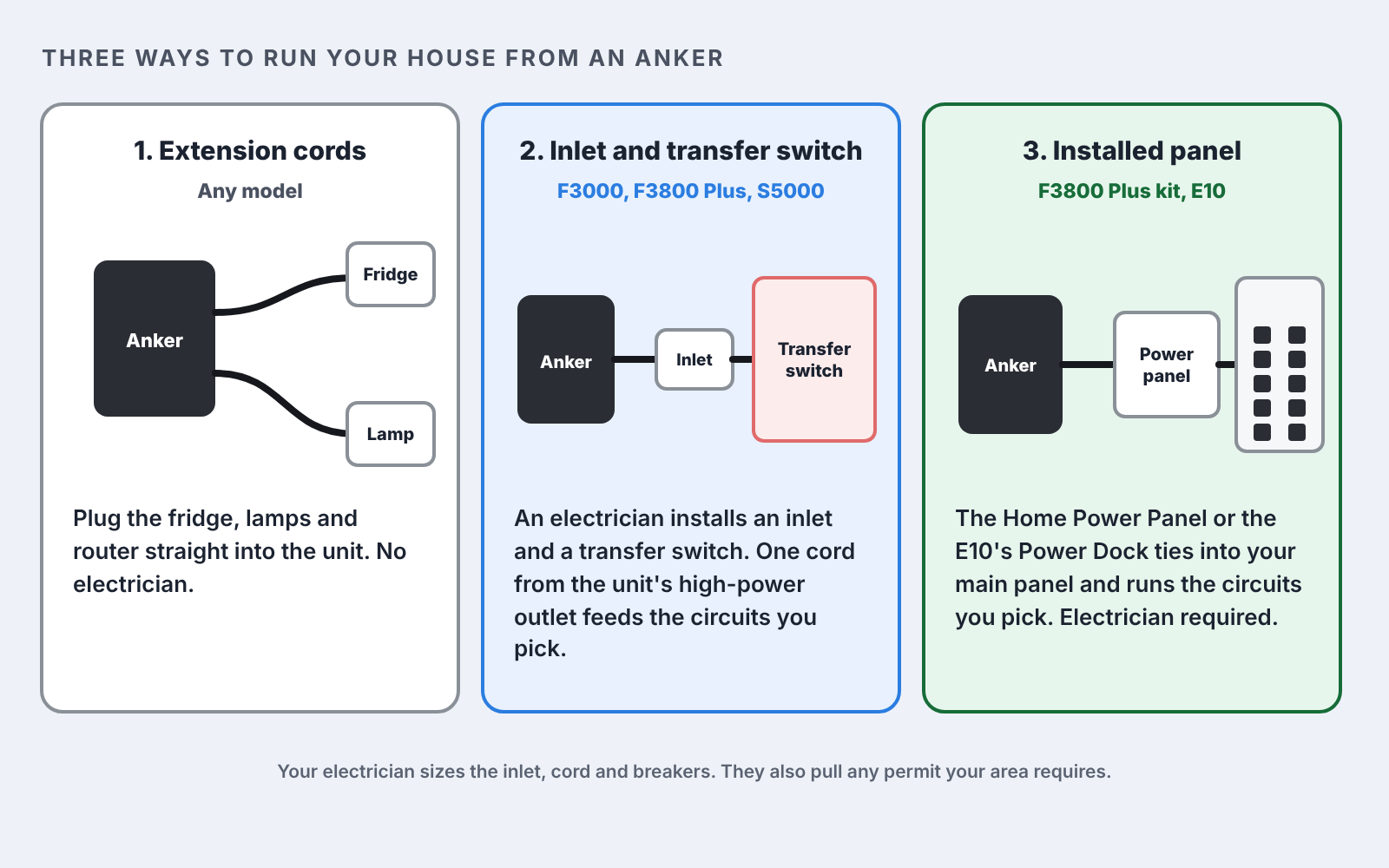
| Method | Works with | What it takes |
|---|---|---|
| Extension cords | Every model | Plug the fridge, lamps and router into the unit. No electrician, no permit. |
| Inlet and transfer switch | F3000 (120V circuits), F3800 Plus, S5000 (120V and 240V) | An electrician installs a power inlet outside and a transfer switch at your panel. In an outage you roll the unit out, plug in one cord and flip the switch. |
| Installed panel | F3800 Plus kit, E10 | The Home Power Panel (F3800 Plus) or the Power Dock or Smart Inlet Box (E10) ties into your main panel. Electrician required. |
Your electrician sizes the inlet, cord and breakers and pulls any permit your area requires. Turn off big loads like a range, dryer or central A/C before running the house from a portable unit, or you will overload it.
The E10 is not a solar generator. Everything above this is a portable unit you roll out and plug things into. The E10 is a home battery system that an electrician installs on a wall or floor, tied into your main panel through Anker’s Power Dock or Smart Inlet Box. Each battery module weighs 130 lb, so it stays where it is mounted.
That install buys you a lot. One unit puts out 7,680W continuous at 120/240V split phase (10,000W with two or more batteries) and surges hard enough to start a 5-ton central A/C. It takes 9,000W of solar per unit through two 4,500W PV inputs (30 to 450V), which is three times what the S5000 accepts. Capacity starts at 6,144Wh and grows to 30kWh with five battery modules, or 90kWh with three units on a Power Dock. It is rated NEMA 4 (IP66), so it can go outside.
Who it is for: homeowners who want the whole house backed up during an outage, central A/C included, with no extension cords, and who plan to add a real solar array. If you rent, want power you can take camping or in an RV, or only need a fridge and a few circuits, buy one of the portable units above. They cost less and need no electrician.
Installed whole-home backup, not a unit you wheel around. 6kWh to 90kWh, 7.6kW at 240V and 9kW of solar input. About $3,999 for one unit, plus an electrician to install it.
No. Every model here charges from a wall outlet. Panels let you recharge through a long outage or off-grid. For the small units, see my mobile solar panels. The F3000 kit comes with a 400W bifacial panel. The F3000 and F3800 Plus also take rigid panels on their 165V inputs; see my standard solar panels.
Only for 240V appliances: a well pump, an electric dryer or range, central A/C and many EV chargers. The S5000, F3800 Plus and E10 put out 240V, and two F3000s can with Anker's Double Voltage Hub. Everything else on this page is 120V only.
The E10 is the only model here rated to start a 5-ton central A/C. The portable units can run window units and other loads under their AC output in the comparison chart.
Yes, on these: C2000 Gen 2 to 4,096Wh, F3000 to 24kWh, F3800 Plus to 26.9kWh, S5000 to about 30kWh, and E10 to 90kWh.
Anker prices on Amazon change often, and sales come and go. I checked every price on this page on November 13, 2026. The buttons always show the current price.
Sold out. ShopSolar lists every F2600 bundle as sold out, and Amazon does not carry the main unit (checked November 13, 2026). Buy the F3000 instead: it has more battery (3,072Wh vs 2,560Wh), more inverter (3,600W vs 2,400W) and more than double the solar input (2,400W vs 1,000W).
The F2600 did well in my use. It could run an RV, van, cabin or a disaster relief backup supply, and the wheels and handle made it easy to move around.
Sold out at ShopSolar and not on Amazon. The F3000 replaces it with more battery, inverter and solar.
Visit my Channel