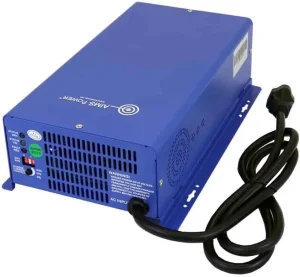
Build a system in minutes! Beginner friendly and reliable.
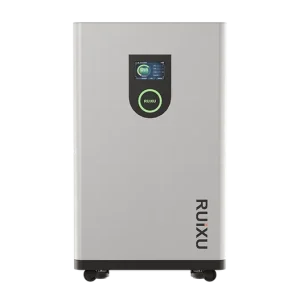
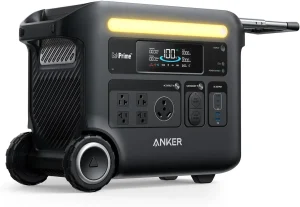
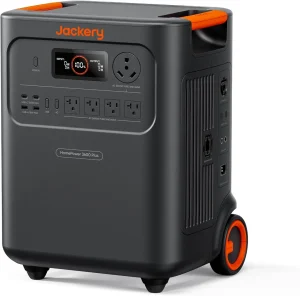
Jackery HomePower
This is the only Jackery that I like. The output for the size and price is fantastic.
System Packages
Will Prowse's Systems
Don't Want to Piece it Together?
These are complete, wire-by-wire builds I’ve assembled and tested myself. Every fuse, lug and breaker is specified, so nothing shows up missing on install day.
A whole-home energy system integrates solar panels, certified battery storage, smart power conversion, and automatic backup switching. All components operate together as one safe system to keep your home powered during outages, support essential loads, and reduce reliance on the utility grid while improving overall energy independence and efficiency.
The complete system
What Every Whole-Home Power System Needs
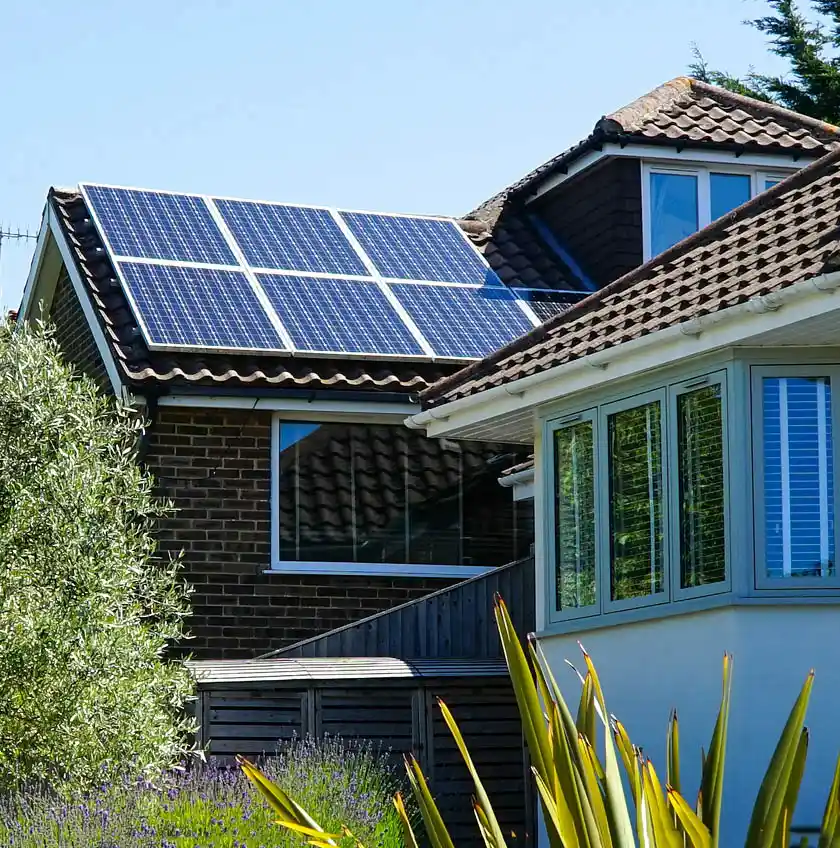
Solar Panels
Generate clean energy for immediate use and battery charging.
Solar Mounting
Secure the array to the roof or a permitted ground-mounted structure.
Hybrid Inverter
Manages power from solar, batteries, the grid, and a backup generator.
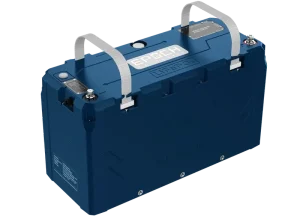
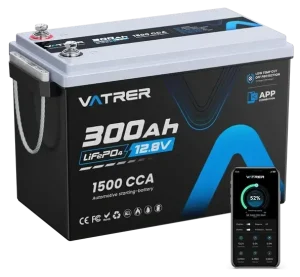
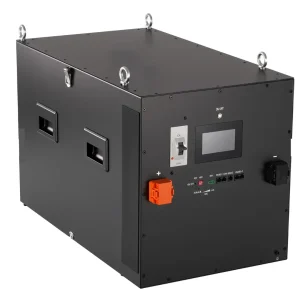
Certified Battery Storage
Stores energy for nighttime use, peak demand, and power outages.
Automatic Transfer Switch
Safely switches the home from grid power to backup power.
Critical Loads Panel
Keeps selected essential circuits powered during an outage.
System Monitoring
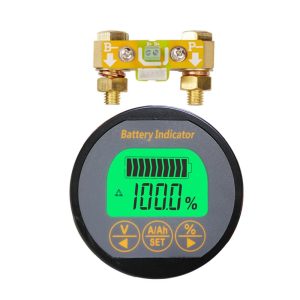
Tracks solar production, battery status, home consumption, and grid use.
Protection & Distribution
Safely controls power through disconnects, breakers, wiring, and distribution equipment.
Will’s tested picks
Recommended Whole-Home Components
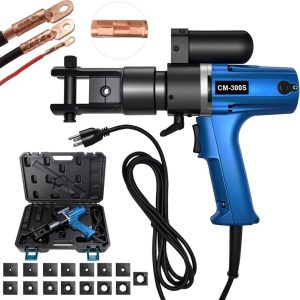
Complete your system with the wiring, protection, monitoring, and installation tools required for a safe and dependable whole-home build.
Permit-legal
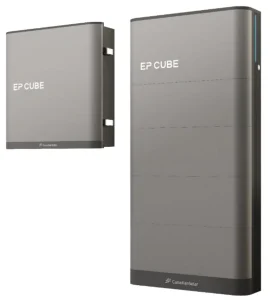
48V UL Certified
Required if you are permitting your system or tying to the grid.
See my picks →
48V Budget
Great build quality, but off-grid use only — not permit-legal.
See my picks →
Most Popular
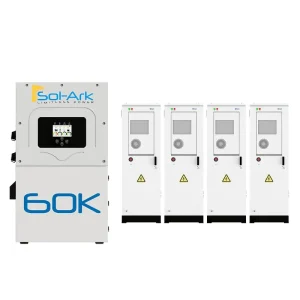
48V Off-Grid
Run a whole house off-grid. 6,000–12,000W.
See my picks →
48V Hybrid
Grid-tied plus battery backup. Certified for interconnection.
See my picks →
Will's Own Build
High-Voltage Residential
Highest efficiency. This is what I run in my own home.
See my picks →
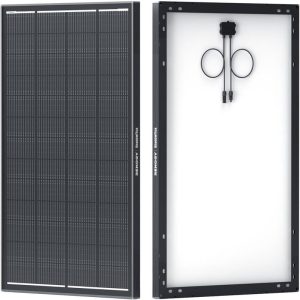
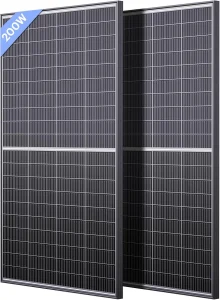
Standard Panels
Best cost per watt for homes, ground mounts and carports.
See my picks →
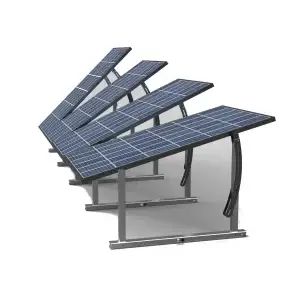
Ground Mount
Fast to assemble, engineered and legal for permitted installs.
See my picks →
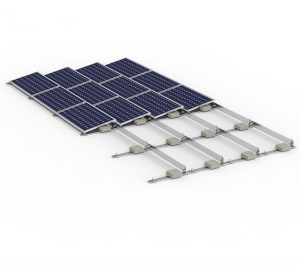
Roof Mounted
Low-profile systems engineered for secure, long-lasting roof installations.
See my picks →
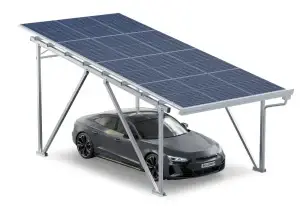
Solar Carports
Dual-purpose structures that provide shade while generating clean energy.
See my picks →
Complete the installation
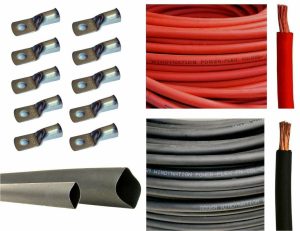
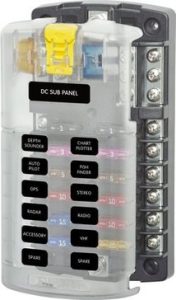
Don’t Forget the Small Parts
Complete your system with the wiring, protection, monitoring, and installation tools required for a safe and dependable whole-home build.
Your energy usage, peak loads, expected outage duration, and available solar installation area all determine the right system size and overall system configuration for your home.
Essential Backup
Keep refrigeration, lighting, internet, medical equipment, and selected outlets powered during an outage.
Whole-Home Backup
Support most household circuits with enough battery capacity and inverter output for longer interruptions.
Energy Independence
Use solar and battery storage every day to reduce grid consumption and maintain backup power when needed.
Power your entire home
What Can Your
Whole-Home System Run?
A properly sized system can support everyday household loads, from essential appliances to high-demand equipment.
Everyday Essentials
Keep lights, outlets, internet, security, and personal electronics online.
Refrigeration & Kitchen
Power refrigerators, freezers, selected outlets, and essential kitchen appliances.
Water & Home Systems
Support well pumps, sump pumps, garage doors, and other critical equipment.
Heating & Cooling
Run selected HVAC equipment with a system designed for its continuous and startup power requirements.
HVAC systems, electric water heaters, ovens, dryers, and well pumps can require significant power. These loads must be considered when sizing the inverter, battery bank, wiring, and backup panel.
Choose the right architecture
Grid-Tied, Hybrid, or Off-Grid?
The right system architecture depends on how you want to use solar, batteries, and the utility grid.
Backup capability requires compatible equipment and controls that can safely isolate the home from the utility grid during an outage.
Grid-Tied Solar
Reduces daytime grid consumption but typically does not provide backup power by itself.
Hybrid Solar + Storage
Uses solar and batteries every day while maintaining selected or whole-home backup.
Fully Off-Grid
Operates independently from the utility and requires enough generation and storage for periods of poor weather.